
Pet Trusts
The Shocking Truth: Over a Half a Million Pets are Euthanized Every Year. Don't Let That Happen to Your Beloved Companion.
Call for a Free Consultation845 292-9345
Providing for Your Faithful Companion
Have you seriously considered what will become of your faithful companion upon your death or disability? If not, now is the time. If you don't have a plan that quickly and easily provides for your pet's food, shelter, and care, please keep reading.
One of the main goals of estate planning is to provide for your loved ones, and for many of us, “loved ones” includes our pets. While you can always ask a friend or relative to look out for your pet, they aren't legally obligated to unless you set up an estate plan for this. The specific estate planning method you use will depend on your state laws, your pet's needs, your goals and financial resources. Working together, you and your attorney can plan for the best method to ensure that your pet will continue to have a quality life.
Benefits of a Pet Trust
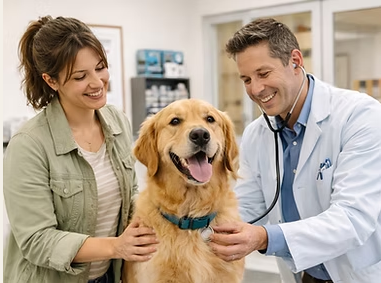
Immediate Care
A pet trust ensures the immediate transfer of care to your chosen guardian, so your pet is never left alone or facing the uncertainty of a shelter during a transition.
Financial Oversight
The trust allocates specific funds for veterinary care, food, and grooming, overseen by a trustee who ensures these resources are used exclusively for your pet's well-being.
Peace of Mind
Establishing a legally binding plan provides profound security, guaranteeing your companion animal will live out their days in a loving, familiar environment with the care they deserve.
Your pet depends on you every day, and that dependency doesn't end when you're gone. Estate planning for pets is more nuanced than most people expect, and the right approach makes the difference between a seamless transition and a period of uncertainty for an animal that can't wait.
Why a Will Alone Isn't Enough
A will feels like the obvious place to handle pet care, but it has a critical limitation: it doesn't take effect until probate is complete, a process that can take months. Your pet needs food, water, shelter, and care immediately. During that window, ownership and care arrangements can be left unresolved. A trust, by contrast, becomes effective at the moment of your death or incapacity, with no waiting and no gaps.
What a Pet Trust Does
A pet trust is a legal entity funded during your lifetime that activates according to terms you set in advance. It can designate a caretaker, appoint a trustee to manage funds, specify daily care routines, authorize veterinary spending, cover pet insurance, and even address end-of-life wishes. You can also leave real property to house your pet.
Choosing the Right Structure
A ‘pet trust’ is a generic term applied to a trust that provides for your pet. A pet cannot be a beneficiary of a traditional legal trust because one of the legal requirements is that there must be a beneficiary, and that beneficiary must be able to enforce the terms of the trust. Obviously, a pet cannot enforce a trust. So, the choice and structure of a trust must take this into account and be properly worded to accomplish your goals.
There are three things to consider when creating a Pet Trust:
- Statutory Pet Trust: Some states are enacting statutes that allow for enforceable pet trusts. This generally means that the trust can designate a third party who will have the power to enforce the terms of the trust, to compel the caretaker or trustee to use the trust funds for your pet. Some issues that arise with these trusts include whether the amount of funds in the trust is ‘reasonable’ according to court standards, and who the designated third party to enforce the trust would be.
- Honorary Trust: This is a type of trust set up for a specific purpose (such as to provide for a pet) but without a definite beneficiary. The problem with an honorary trust is that without a statute specifically authorizing it as a pet trust, it is essentially unenforceable.
- Traditional Legal Trust: One of the best methods to ensure the care of your beloved pet is to set up a traditional legal trust. Your attorney can carefully add language to avoid problems. One method used is to actually place the pet and sufficient funds into the trust. The pet and the funds are the body of the trust. Your attorney then names the caretaker of your pet as the ‘beneficiary’ of the trust. You name a trustee, the party responsible for managing the funds and the caretaker.
Together we'll evaluate which structure fits your situation, your state's laws, and the anticipated cost of your pet's care over their lifetime.
Ready to plan for your pet's future?
Schedule a free initial consultation with Attorney Martin Hersh today.
The Law Office of Martin Hersh, Esq. assists clients with Elder Law & Estate Planning needs in Liberty, Middletown, Newburgh, Goshen, Kingston, and Wurtsboro, and just about every town or village within Sullivan County, Orange County and Ulster County in New York State.
The material presented on this site is included with the understanding and agreement that the Law Office of Martin Hersh is not engaged in rendering legal or other professional services by posting said material. The services of a competent professional should be sought if legal or other specific expert assistance is required.